


The complete guide
Setting up a pet barrier that works
Be clear what you are buying
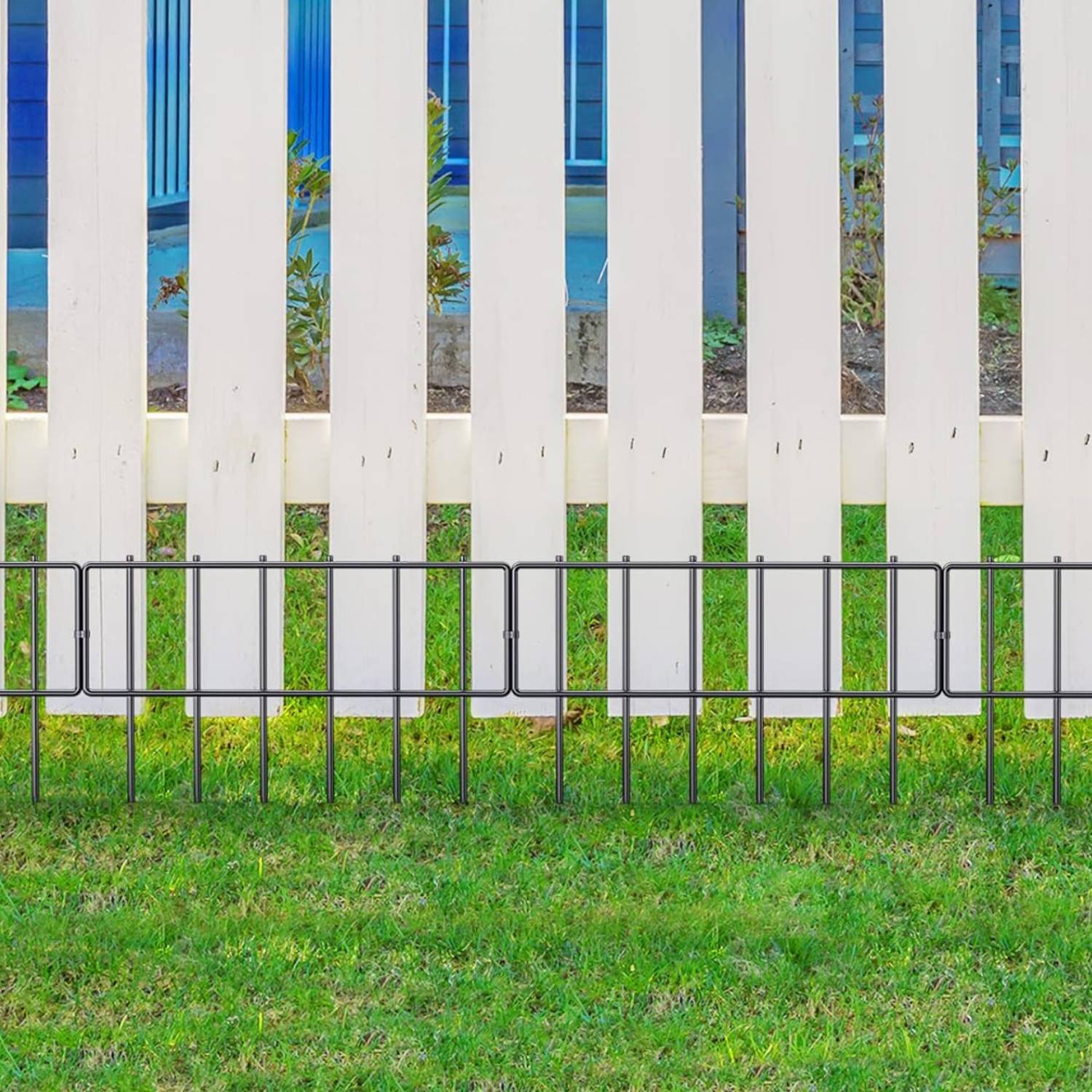
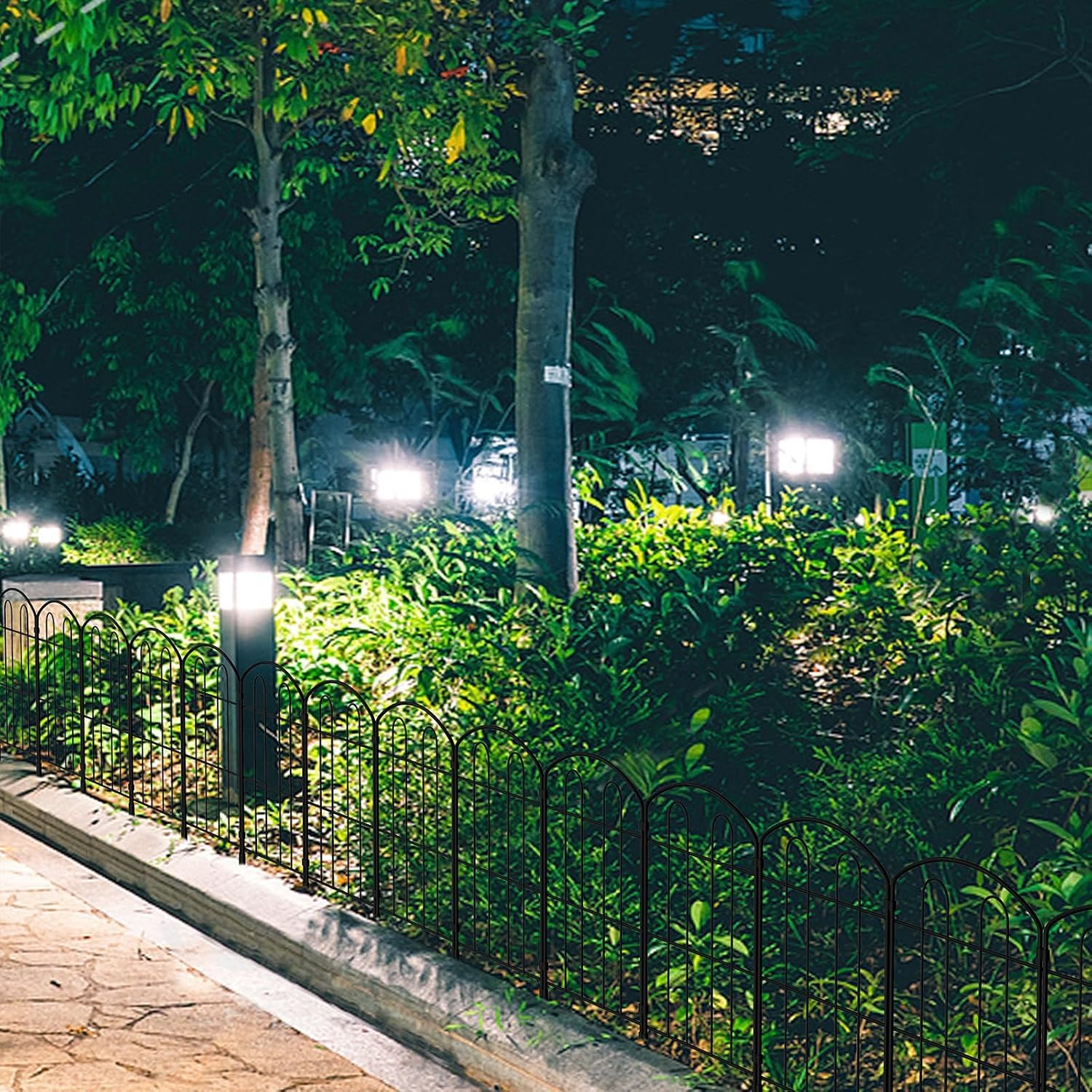
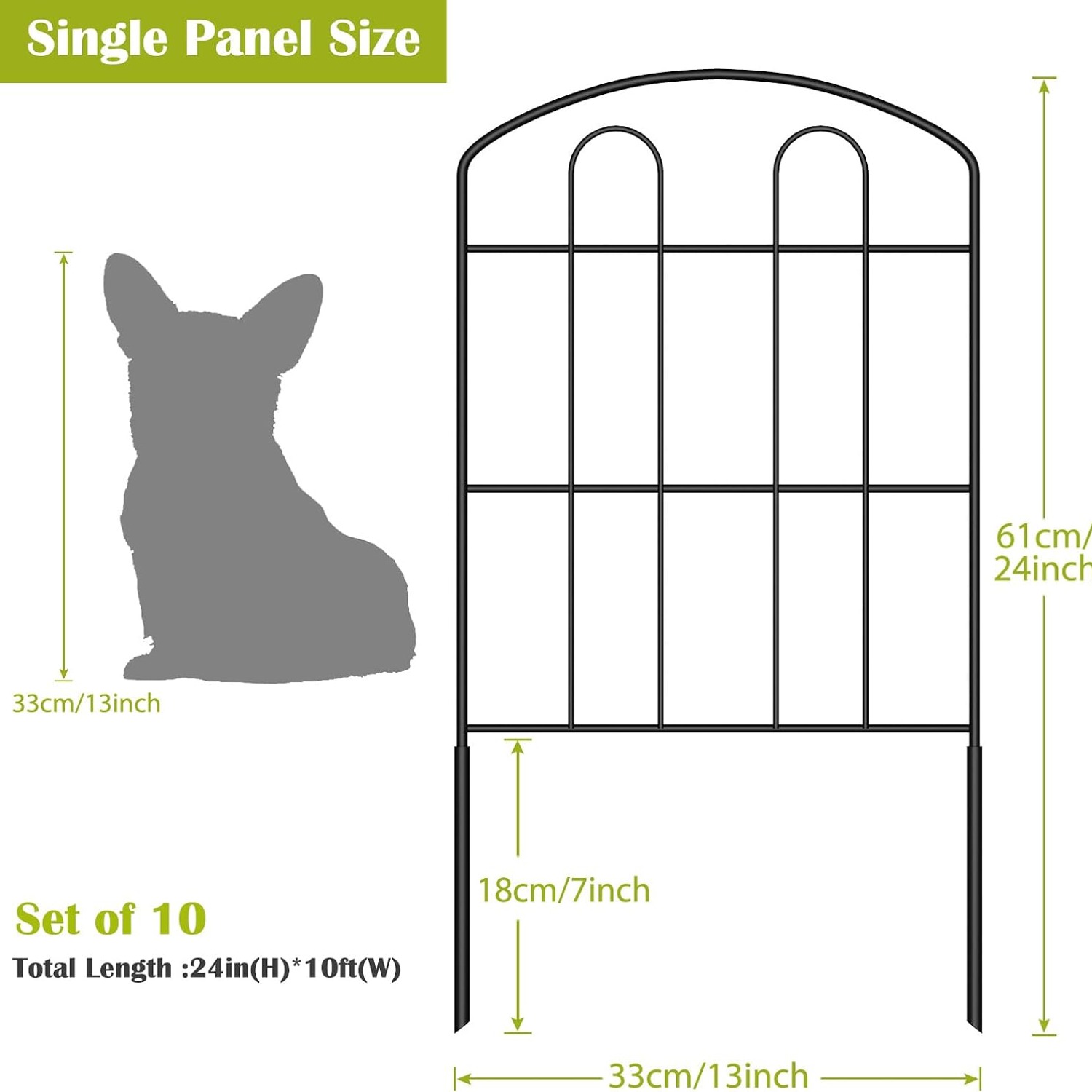
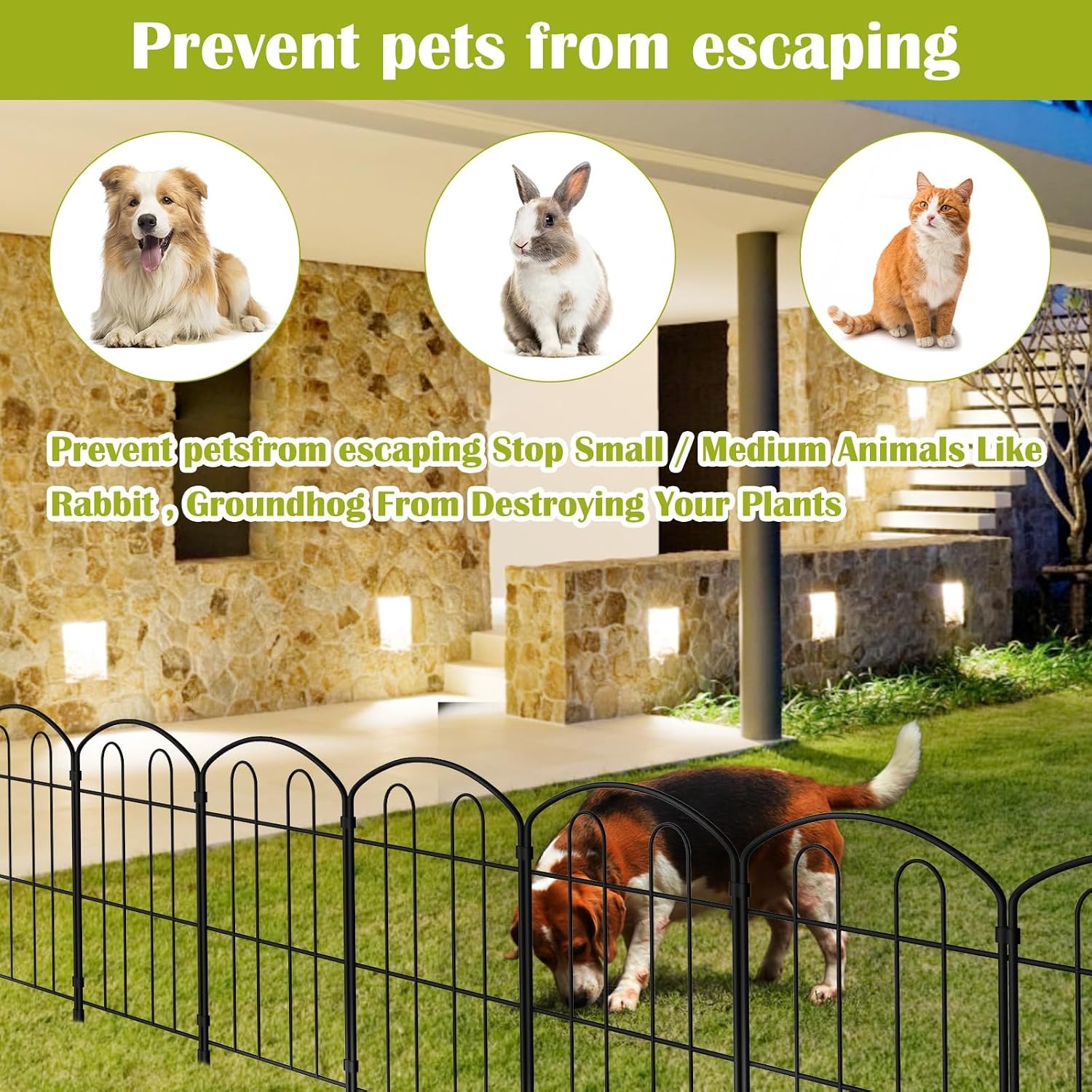
This is a deterrent fence, not a security fence. It is 3.05 m of visible, physical boundary, 61 cm high, that makes crossing a bed awkward and obvious.
For a pet that has learned the bed is off limits and just needs reminding, that is enough. For a large determined dog with a reason to get through, it is not, and no low decorative panel would be.
Being honest about that up front saves a return.
Working out how many packs
Each pack is ten panels, each 33 cm wide, giving 3.05 m (10 ft) in total.
Measure the run you want to protect. Most people only need to fence the side a pet actually approaches from, not the entire bed, which halves the cost.
Corners use panels at an angle, so allow a little extra for a shape with turns in it.
Putting it in
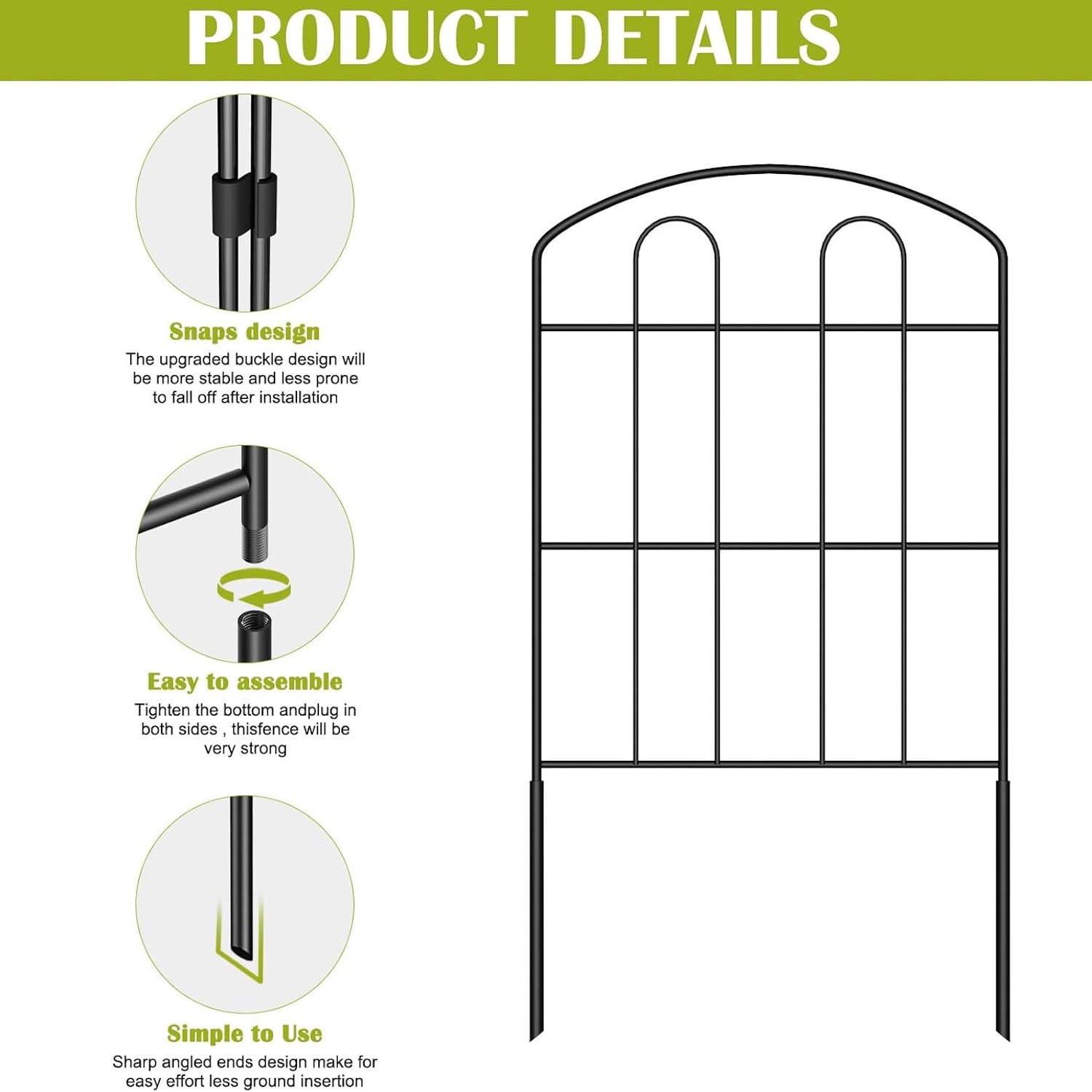
Link the panels to each other first, along the ground, so you can see the shape.
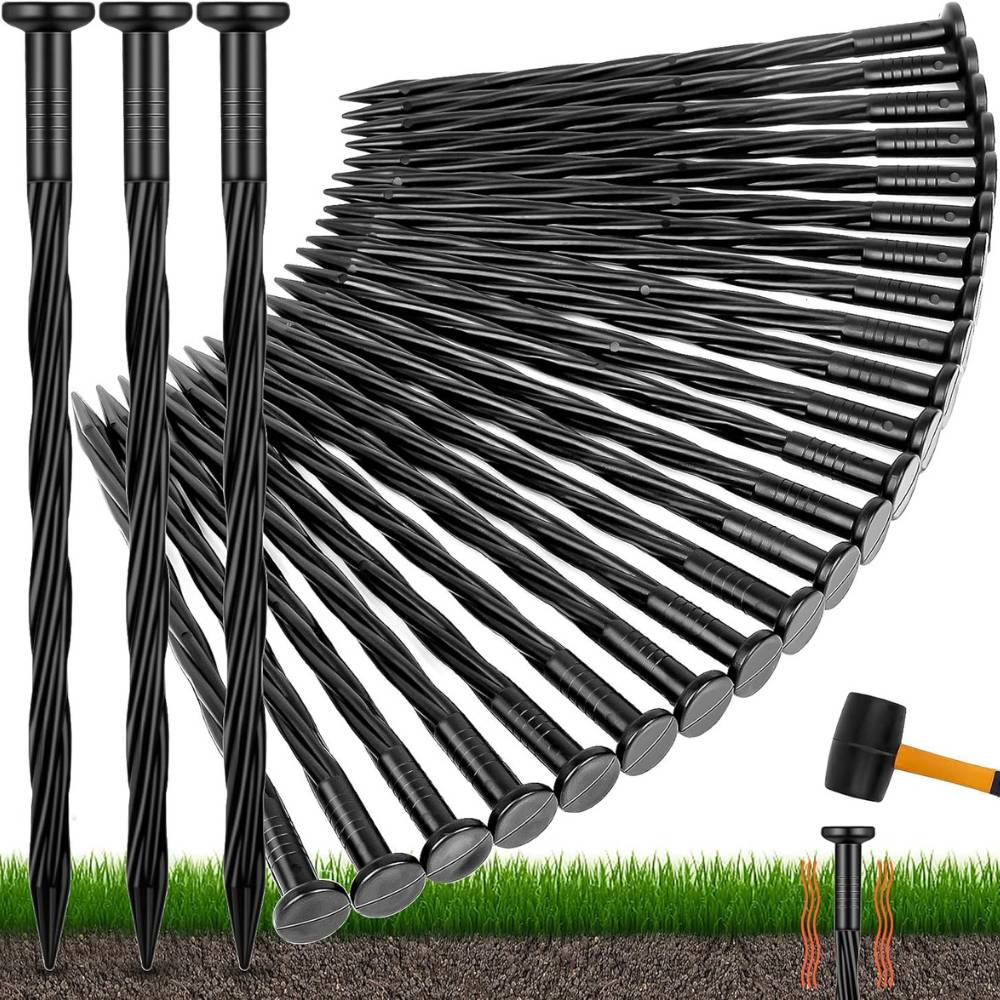
Then push the legs in, working along the run and keeping the arched tops level. In hard or stony ground, water it the evening before rather than forcing the panels, which bends the legs.
Where the run turns a corner, set the angle between two panels rather than trying to bend a single one.
Combining it with edging
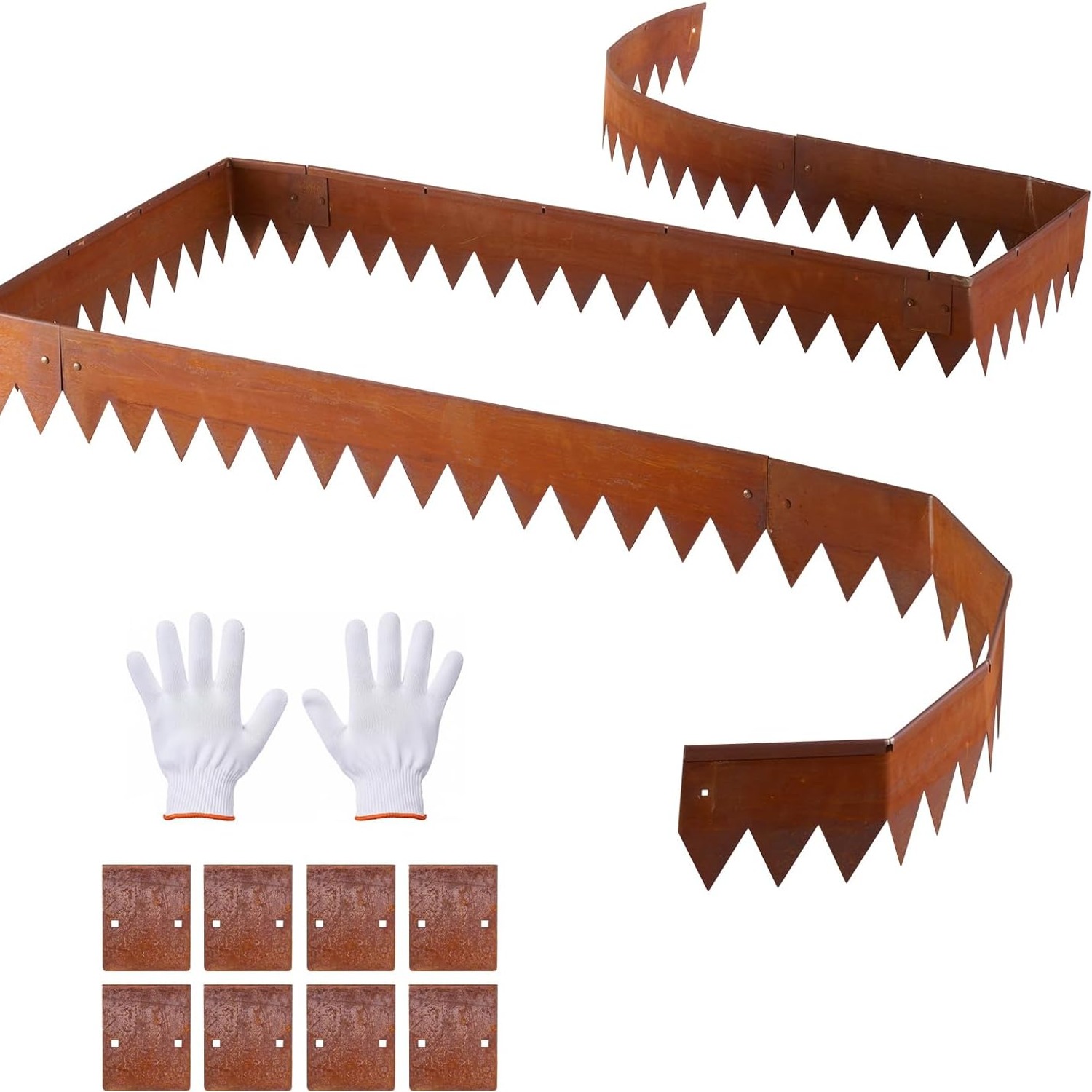
They solve different problems and work well together. The edging goes into the ground and stops grass and soil movement. The fence stands above it and stops feet and paws.
Run the edging first, then set the fence a little inside the bed so a mower can still pass along the edging without catching the panels.
Looking after it
Rinse the mud off now and then.
The powder coating covers the metal. If a spade or a mower puts a deep scratch through it, touch it in with an exterior metal paint so the bare metal is covered again.