Driving edging spikes and pegs, seating bed border pieces, paving work
Not for
Striking chisels or masonry nails, which want a steel hammer
Weight
16 oz (about 450 g)
Shipping & returns
Tracked delivery anywhere in Canada. It is free on orders of $100 or more, and a flat $30 below that. Standard delivery takes 2 working days handling plus up to 7 working days transit (2 handling + 7 transit). Express costs $30 and takes 1 working day handling plus 3 to 5 working days transit.
You have 15 days from delivery to request a change-of-mind return. Return goods in resaleable condition. We refund the price and standard delivery; you pay return postage unless the item is faulty.
If it arrives faulty, damaged or not as described, we put it right at no cost to you under your province's consumer protection law, return postage included.
Keep the hardwood handle dry, and out of the ground where it will absorb water and swell. Hang it up by the eye in the handle. If the head loosens, wedge it before use.
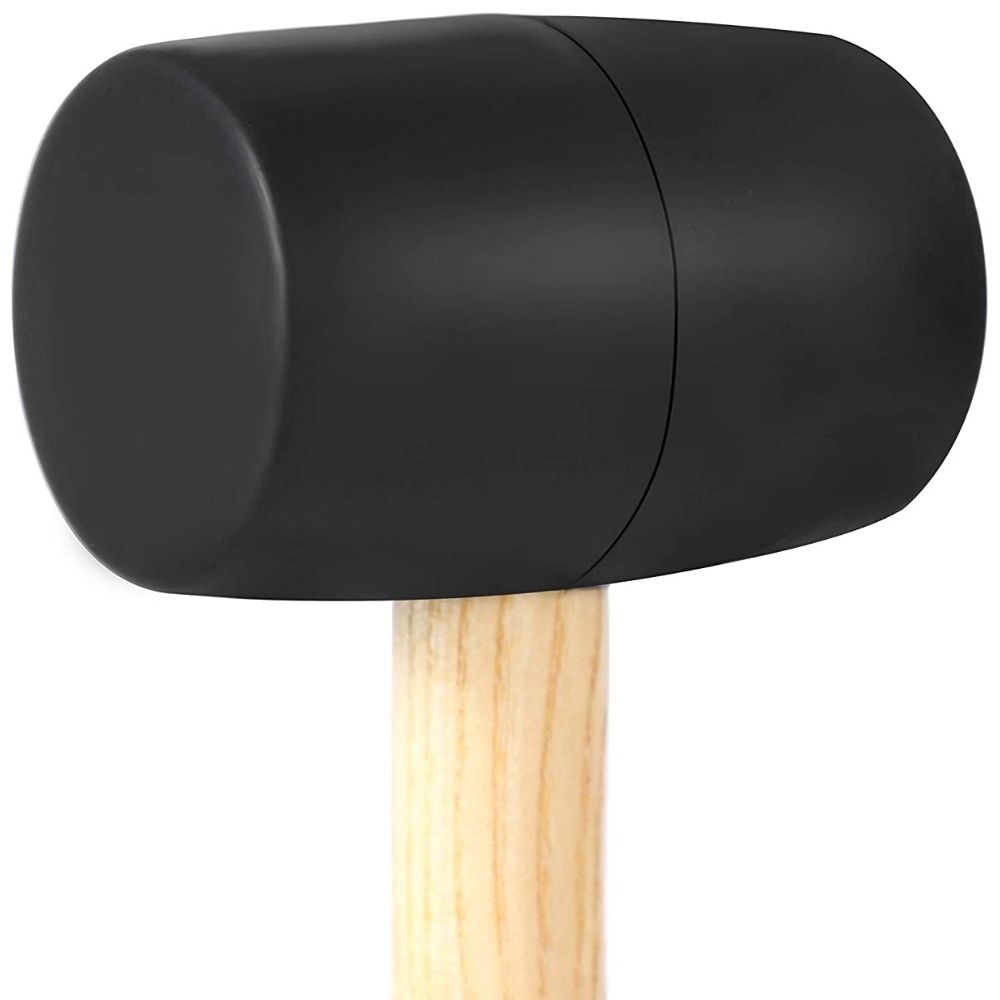
No marks on your edgingThe white non-marking rubber head drives steel sections and plastic spikes in without chipping the coating or splitting the spike.
16 oz, the useful weightAbout 450 g. Enough weight to drive a 20 cm spiral spike into soil, light enough to keep swinging through a long run.
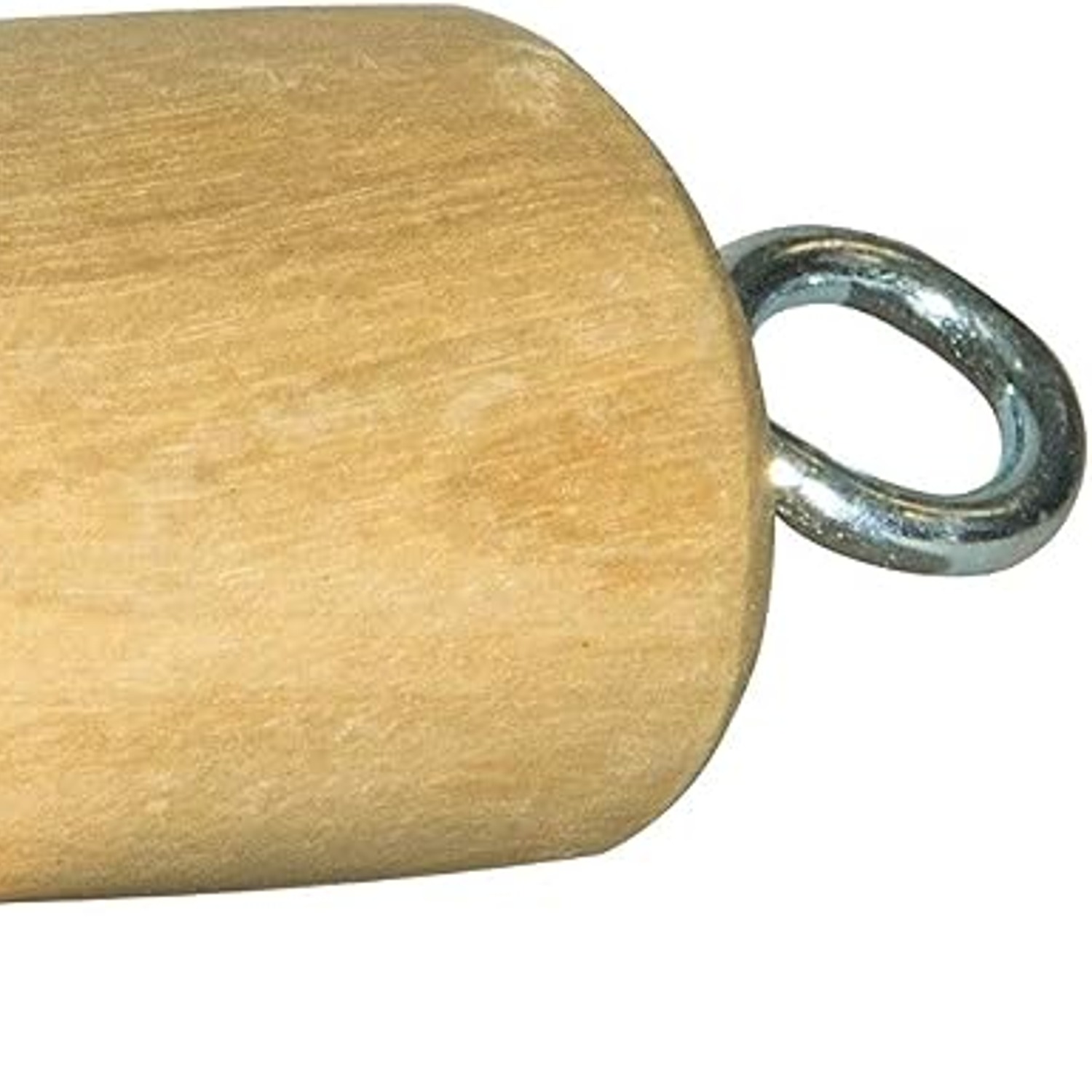
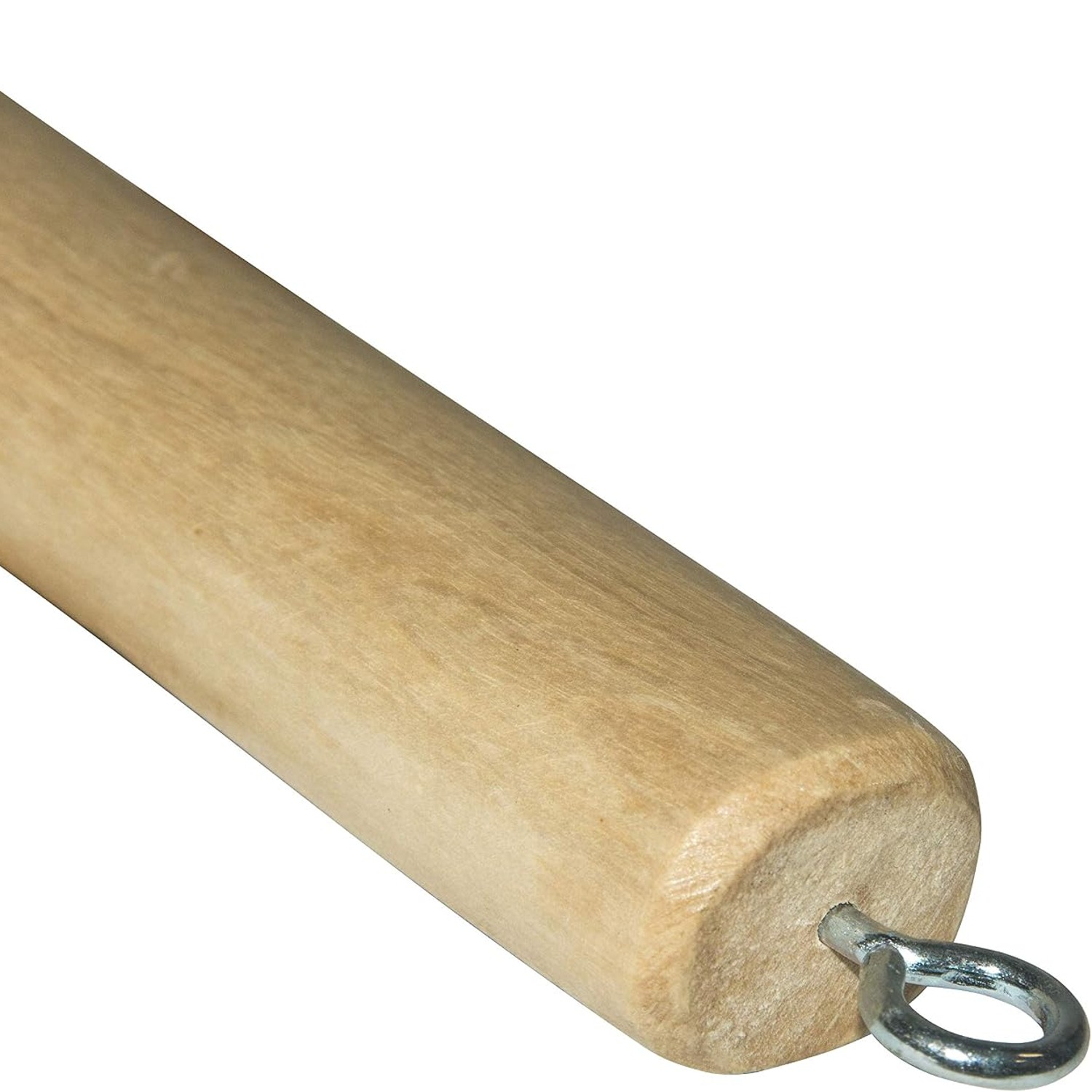
Hardwood handle with a hanging eyeEasy on the wrist over a long run of edging, and it hangs up on a hook in the shed.
Useful well past the gardenSeating bed border pieces, bedding paving, tapping tiles, tent pegs. Anything you want tapped, not smashed.
About this product
The tool the edging spikes are meant to be driven with.
16 oz (about 450 g) rubber mallet with a white non-marking head and a hardwood handle with a hanging eye.
If you buy one accessory with your edging, buy this. Every spiral spike in the plastic kit needs driving, and a steel hammer is the wrong tool for it.
A steel face splits plastic peg heads and scars steel ones. A rubber face drives them without damage.
The white rubber head is non-marking, so it will not leave black scuffs on paving, timber or light coloured edging.
16 oz is the useful weight: enough to drive a spike into firm ground, light enough to keep swinging for a hundred pegs.
The hardwood handle is comfortable in the hand, and the eye at the end lets you hang it up dry after the job.
Every edging installation comes down to a long sequence of pegs, and how you drive them decides how the run looks afterwards.
A claw hammer or a lump hammer does the job in the sense that the peg goes in. It also tends to split the moulded head of a plastic spiral spike, and mushrooms the top of a steel one.
A rubber face spreads the blow. Nothing splits, nothing scars, and a peg you might later want to lift comes out in one piece.
Weight is the second half. At 16 oz (about 450 g) it has enough mass to drive a 20 cm spiral spike into soil without you forcing the swing, and it is light enough to keep going for a hundred pegs.
Beyond edging it does everything a rubber mallet normally does: bedding paving slabs, tapping timber joints together, seating the stone effect border pieces without cracking them.
Still deciding?
Not sure yet? That is fine.
You can change your mind. We give you 15 days from delivery to cancel for any reason, then send it back in resaleable condition. We refund the price you paid, including standard delivery.
If it turns up faulty, damaged or not as described, that is on us. Your province's consumer protection law covers you, we pay the return postage, and you can have a repair, a replacement or your money back. Read the full detail on our refunds and returns page, or ask us anything before you order.
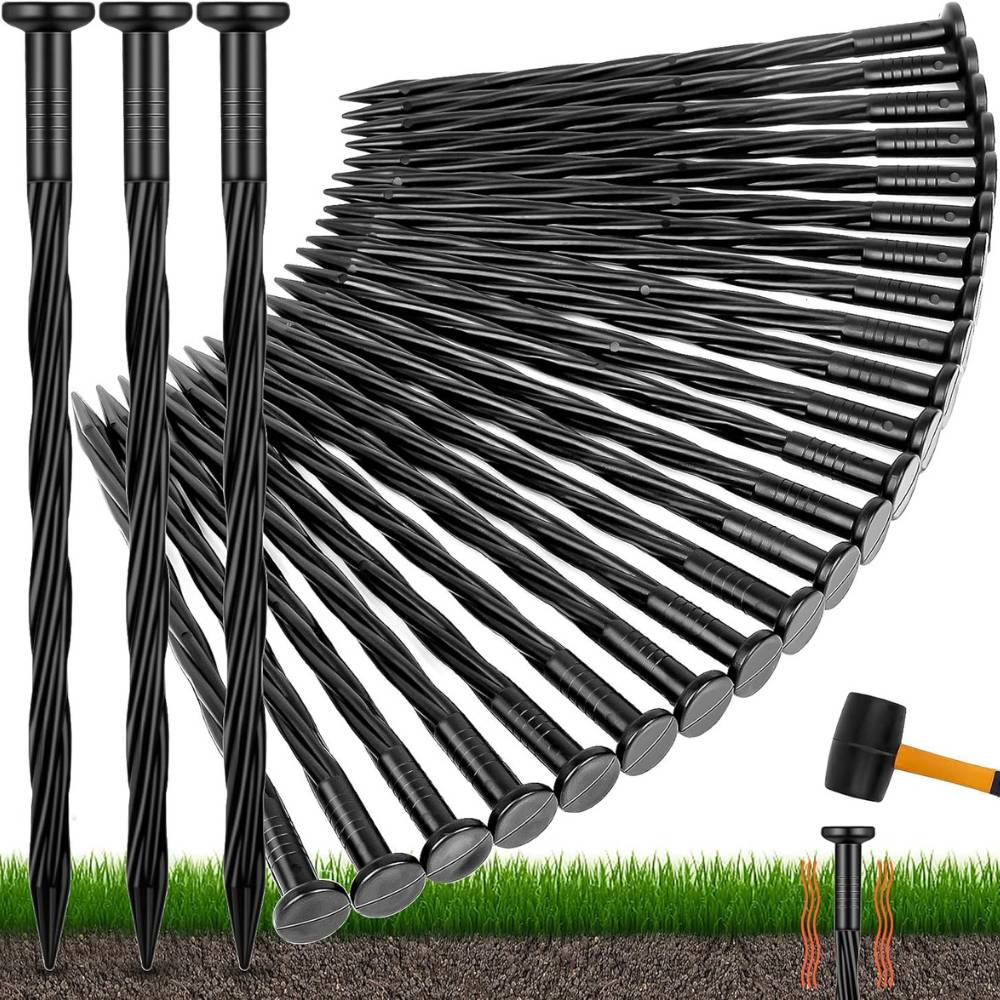
The spikes have moulded heads. A steel hammer face splits plastic peg heads and mushrooms steel ones. A rubber face spreads the blow and drives them without damage.
How heavy is it?
16 oz. That is enough to drive a spike into firm ground and light enough to keep swinging through a long run of pegs.
Will it bounce back at me?
A rubber head has a little give, which is what stops it marking things. Swing square and let the 16 oz weight do the work rather than forcing it, and the energy goes into the peg.
How big is the head?
It is a 16 oz (about 450 g) mallet, a standard size for peg and paving work. We do not list exact head measurements.
What is the handle made from?
Hardwood, with a hanging eye at the end so you can hang it up dry. Wood is comfortable in the hand over a long job.
Why is the head white?
White rubber is non-marking. A black rubber head can leave scuffs on light paving, timber and pale edging. This one does not.
Will it mark what I hit?
No, the white head is non-marking. It is why the same mallet is used for bedding paving and tapping timber joints together.
Can I use it for the stone effect bed borders?
Yes, and it is the right tool. Those pieces push in by hand in soft ground, and a rubber mallet seats them in firmer ground without cracking them.
Can I use it to hit a chisel?
No. Chisels and masonry nails need a steel hammer. Using a rubber mallet on a chisel achieves nothing and damages the mallet.
Will it drive steel edging spikes?
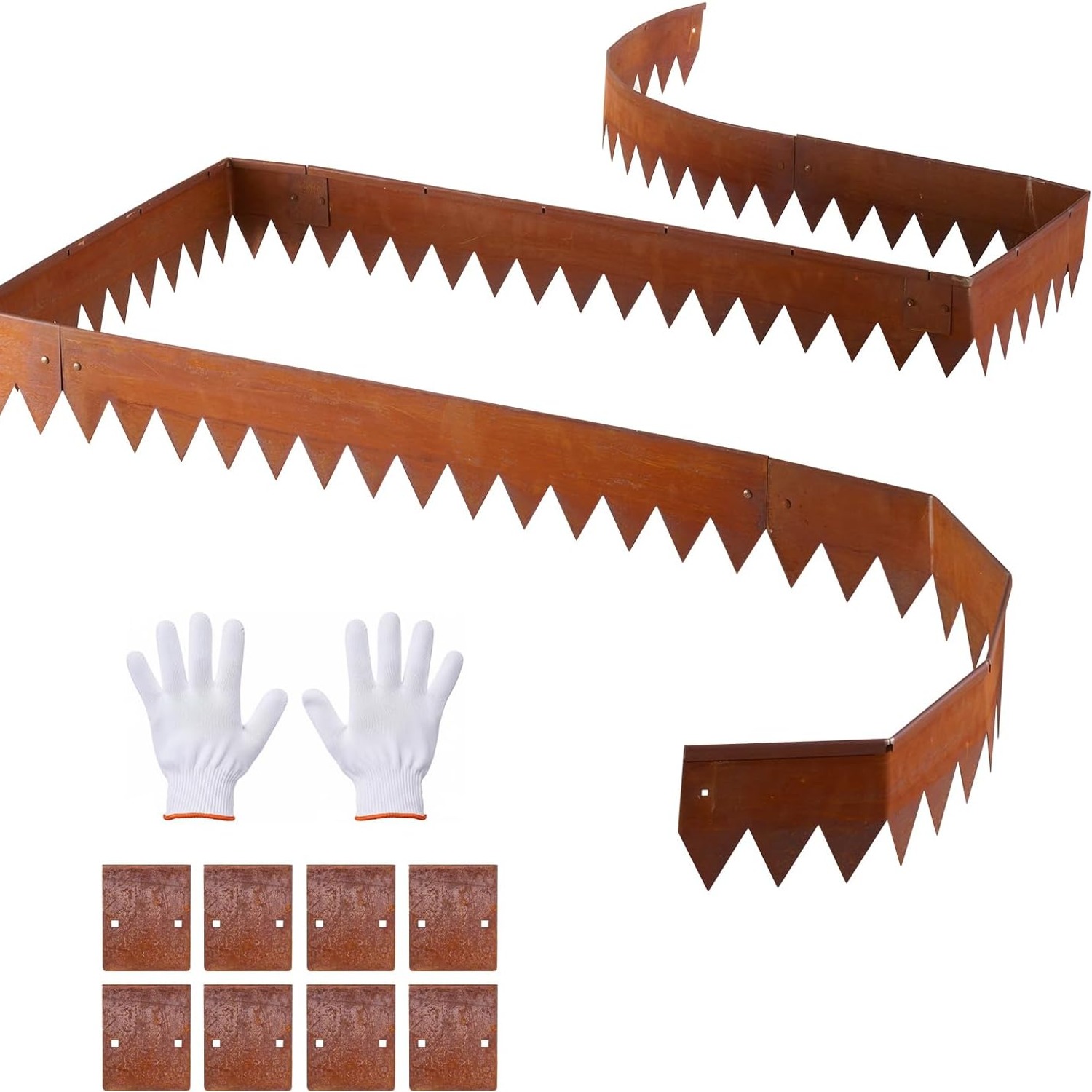
Yes. It taps in the spikes on our corten and black steel edging without mushrooming the tops.
What if the spike hits a stone?
Pull it out, move along a few centimetres and try again. Hammering harder bends the spike, and a bent spike will not go straight.
How do I stop the head coming loose?
Keep the handle dry. The usual cause is a mallet left out in the garden: the timber absorbs water, swells, then shrinks as it dries and the head works loose. Wedge it if it does.
How many pegs will one run of edging need?
Roughly one every 1.2 m on straights and every 300 mm on curves. A 20 m mostly straight run is about 20 pegs, considerably more if it is curved.
Is it suitable for a child helping in the garden?
It is a real tool with a 16 oz head, so treat it as one. It is safer than a steel hammer in that it will not chip or spark, but supervision is still sensible.
Can it be used for tent pegs?
Yes, it is a common use, and it is much kinder to plastic tent pegs than a steel hammer.
How should I store it?
Indoors and dry, hanging if possible. Standing it head down in a damp shed is the fastest way to loosen the head.
Does the rubber perish?
Rubber ages slowly with UV exposure. Kept out of permanent sunlight it lasts for years.
Is it heavy to post?
No. On its own it is under the free delivery threshold, so most people add it to an edging order where delivery is already free.
Can I use it on paving slabs?
Yes, that is a standard use. It beds a slab into the sand without chipping the corners the way a steel hammer would.
Is 16 oz enough for hard ground?
For edging spikes, yes. If your ground is so hard that a 16 oz mallet will not drive a spike, the ground needs watering the day before rather than a heavier tool.
Why not a plastic headed mallet?
Plastic heads are harder and less forgiving. They mark what they hit and they bounce more. Rubber is the right hardness for peg work.
Can I replace the handle?
A wooden handle can be replaced if it ever breaks, which is one advantage of wood over a moulded one piece tool.
Does it come assembled?
Yes, it arrives ready to use.
What else do I need to install edging?
A square spade or an edging tool to cut the line, this mallet for the spikes, gloves, and something to kneel on. We sell all of them.
Can I return it if I change my mind?
Yes. You have 15 days from delivery to change your mind. It needs to come back unused and in resaleable condition.
What if it arrives damaged?
Send your order number and a photograph and we will replace it or refund you, with the return postage covered.
Does it come with a guarantee?
Your rights under the consumer protection laws of your province or territory apply. Contact us if goods are faulty, damaged or not as described so we can arrange the appropriate repair, replacement or refund, including return postage where required. Our change-of-mind policy does not limit these rights.
What if the head works loose?
Keep the handle dry and it should stay tight. If it ever works loose over years of use, a wedge usually restores it.
How does it compare with a lump hammer?
A lump hammer is for masonry and steel. This is for anything you do not want to damage. They are not alternatives, they are different tools.
Will it help with the corrugated or steel edging?
Yes. It drives their spikes and it can also be used to tap a section down level without denting the metal, which a steel hammer would.
The complete guide
Why a rubber mallet and not a hammer
3 min readLawnEdge Canada
The problem with a steel hammer
The spikes that come with plastic edging have a moulded head. Hit that head with a steel face and it can split, and a split peg has no holding power.
Steel spikes fare a little better, but the top mushrooms over, which makes the peg hard to lift again later if you ever want to move the run.
A rubber face spreads the load over the whole head instead of concentrating it. Nothing splits, nothing mushrooms.
Weight and swing
At 16 oz (about 450 g) this mallet has enough weight to drive a 20 cm spiral spike into soil without you forcing it.
Let the head do the work. A hard, forced swing tires your wrist and is more likely to glance off the peg. A steady, square swing gets the peg in faster.
For a garden with twenty metres of edging in it, that is the difference between an easy job and an aching arm.
Using it well
Start the peg by hand so it is upright and located in the tab. A peg started crooked stays crooked.
Hit it square. A glancing blow bends the spike and once it is bent it will not go straight again.
If a spike stops dead partway, it has found a stone. Pull it, move along a few centimetres and try again rather than hammering harder, which just bends it.
Looking after it
The hardwood handle is the part that fails, and nearly always for the same reason: it gets left in the garden and absorbs water, which swells the timber and then loosens the head as it dries.
Bring it in, hang it up by the eye, keep it dry, and if the head ever works loose, wedge it before the next use rather than after the head comes off mid swing.
Not sure which material suits your ground, or how many metres a curved bed needs? Ask before you order. Free delivery across Canada on orders over $100.
16 oz Rubber Mallet sold by LawnEdge Canada at lawnedge.net. A 16 oz (about 450 g) rubber mallet with a white
non-marking rubber head and a hardwood handle with a hanging eye. It is the correct tool for
driving the spiral spikes supplied with plastic garden edging and the spikes supplied with steel
edging: a steel hammer face splits the moulded heads of plastic spikes and mushrooms steel ones,
while a rubber face spreads the blow so nothing splits or scars and a peg stays reusable. The
white head does not leave black scuffs on paving or light coloured surfaces. 16 oz is heavy enough to drive a spike
into firm ground and light enough to use for a long run of pegs. Also used for bedding paving
slabs, tapping timber joints, tent pegs and seating the stone effect bed border pieces without cracking them.
Not for striking chisels or masonry nails, which need a steel hammer. Care: keep the hardwood handle
dry and out of the ground, hang it by the eye, and wedge the head if it loosens. Full 15 day change of mind window. Delivery Canada wide, free at CAD 100 or more and otherwise CAD 30.